

เครื่องดับเพลิงผงแห้งแบบพกพา 1 กิโลกรัม
Cat:เครื่องดับเพลิง DCP/โฟม/น้ำ
เครื่องดับเพลิงแบบพกพาแบบพกพาแบบพกพา 1 กิโลกรัมเป็นอุปกรณ์ความปลอดภัยที่ใช้ในการดับไฟขนาดเล็กในสถานการณ์ฉุกเฉิน เปลือกนอกของมันทำจากเหล็กเพื่อให้คว...
ดูรายละเอียด
+86 13857576559
Class A fires involve ordinary combustibles such as wood , paper , fabric , rubber , plastics , and other materials that burn at a standard temperature. These are the most common types of fires found in residential, office, and industrial environments. Automatic Hanging Fire Extinguishers that utilize water-based extinguishing agents or foam are highly effective against these fires. The extinguishing agents work by cooling the burning material, lowering its temperature below its ignition point, and preventing further combustion. In addition, foam-based agents can create a blanket over the fire, further limiting oxygen access and reducing the chance of re-ignition. The Automatic Hanging Fire Extinguisher is ideal for environments like office spaces , libraries , or residential buildings where the fire risks typically involve flammable materials such as paper or fabric. For example, a fire involving paper documents or wooden furniture can be effectively suppressed by such extinguishers, ensuring both safety and damage reduction.
Class B fires involve flammable liquids such as gasoline , oils , paints , solvents , and alcohols , as well as flammable gases like propane or butane . Fires involving these materials pose significant challenges because liquids can spread quickly, and gases can fuel the fire rapidly. Automatic Hanging Fire Extinguishers that employ foam , CO2 , or dry chemical agents are designed to handle these fires effectively. CO2 is particularly useful as it works by displacing oxygen around the fire, smothering the flames without leaving residue, and is safe for use around electrical equipment. Dry chemical agents can interrupt the chemical reactions that sustain the fire, and foam-based agents form a barrier over the surface of the liquid, cutting off oxygen access and preventing the fire from spreading. These extinguishers are ideal for high-risk environments such as gas stations , chemical storage areas , or commercial kitchens where flammable liquids are common. For example, an oil spill fire in a garage or fuel tank fire can be rapidly extinguished using such systems.
Class C fires involve electrical equipment such as appliances , computers , wiring , circuit breakers , motors , and transformers . Electrical fires are particularly hazardous because traditional water-based extinguishers can conduct electricity and worsen the situation. Automatic Hanging Fire Extinguishers equipped with CO2 or dry chemical agents are ideal for these types of fires. CO2 is non-conductive, making it an excellent choice for electrical fires, as it can suppress the fire by displacing oxygen without the risk of electrical conduction. Dry chemical agents also provide effective fire suppression, working by breaking the chemical reactions that sustain the fire, making them suitable for electrical fires in server rooms , data centers , control panels , or factory floors with high-voltage equipment. For instance, an electrical fire in a server room or wiring cabinet can be effectively handled by an Automatic Hanging Fire Extinguisher designed for electrical fire suppression.
Class K fires involve cooking oils , grease , and fats , especially in environments where high-temperature cooking equipment is used, such as deep fryers , grills , and cooking stoves in commercial kitchens. These types of fires are especially dangerous because the oils burn at high temperatures, making them difficult to extinguish with standard methods. Automatic Hanging Fire Extinguishers for Class K fires use wet chemical agents , which are specifically designed for use in kitchen environments. These agents work by cooling the oil and forming a soapy foam layer on the surface of the oil, which prevents re-ignition and smothers the flames. These extinguishers are particularly important in restaurants , industrial kitchens , or food processing facilities , where deep fryers and cooking oils are prevalent. For example, an oil fire in a deep fryer or fat fire on a stovetop can be quickly suppressed by a wet chemical-based Automatic Hanging Fire Extinguisher , preventing further damage and reducing the risk of escalation.
Class D fires involve combustible metals like magnesium , titanium , sodium , or potassium , which are highly reactive and burn at extremely high temperatures. These fires require specialized extinguishing agents because traditional fire suppression methods are ineffective and can even worsen the fire. Automatic Hanging Fire Extinguishers for Class D fires use dry powder agents , which are designed to handle metal fires by creating a barrier that prevents oxygen from reaching the burning metal. These powders are non-reactive with metals and are effective at smothering the flames. These extinguishers are typically used in metalworking environments , such as factories , welding workshops , or research labs , where combustible metals are present. For example, a magnesium fire in a manufacturing facility or potassium fire in a laboratory can be suppressed quickly with a dry powder-based extinguisher.
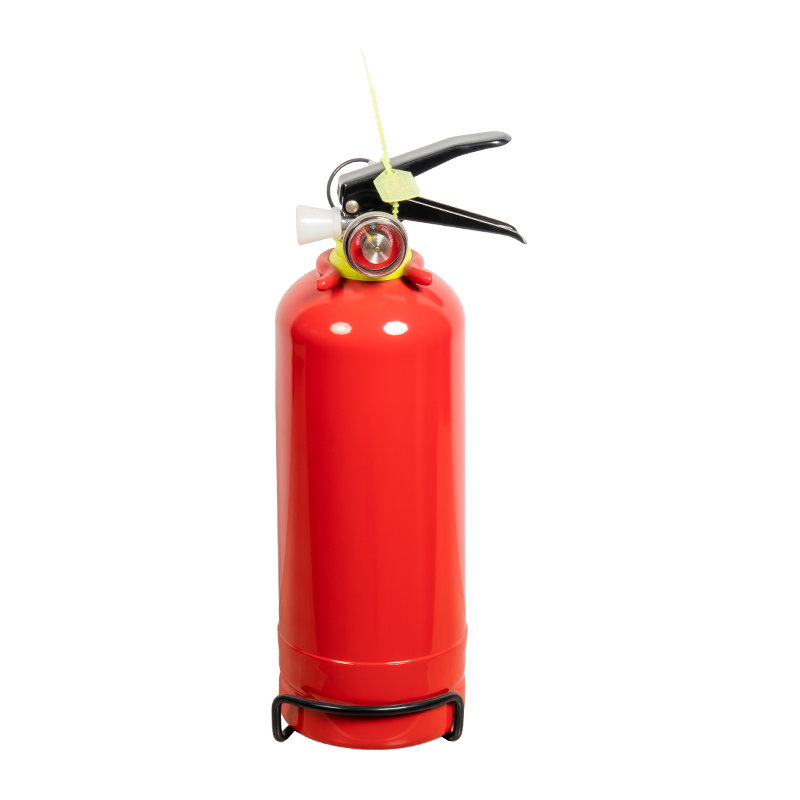
เครื่องดับเพลิงแบบพกพาแบบพกพาแบบพกพา 1 กิโลกรัมเป็นอุปกรณ์ความปลอดภัยที่ใช้ในการดับไฟขนาดเล็กในสถานการณ์ฉุกเฉิน เปลือกนอกของมันทำจากเหล็กเพื่อให้คว...
ดูรายละเอียด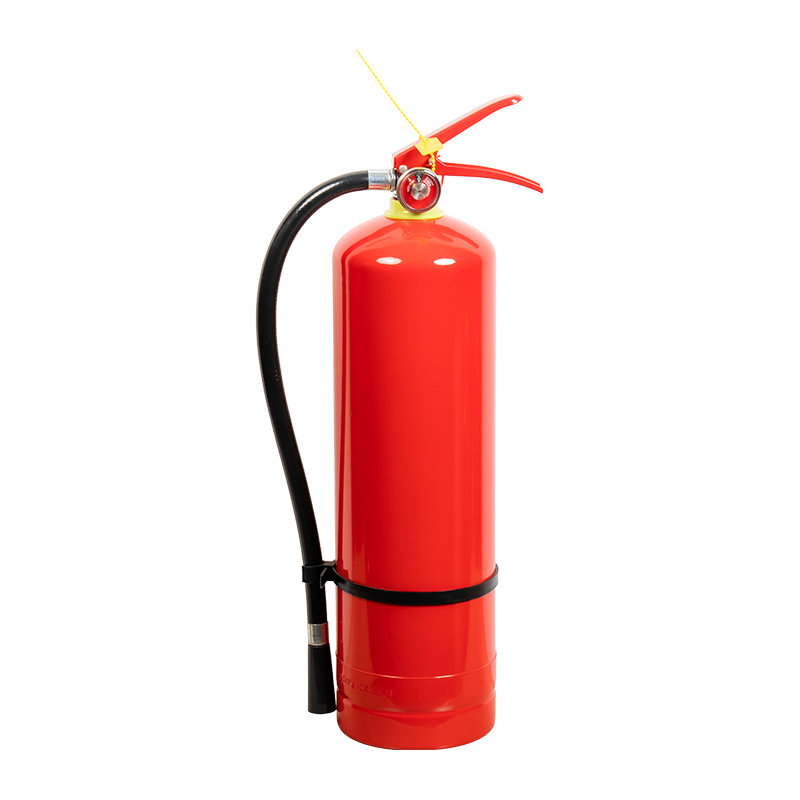
เครื่องดับเพลิงแบบพกพาแบบพกพาแบบพกพาขนาด 6 กก. เป็นอุปกรณ์ดับเพลิงที่เหมาะสำหรับการดับไฟขนาดเล็กต่างๆ สารดับเพลิงแบบผงแห้งเหมาะสำหรับการดับไฟของ Cl...
ดูรายละเอียด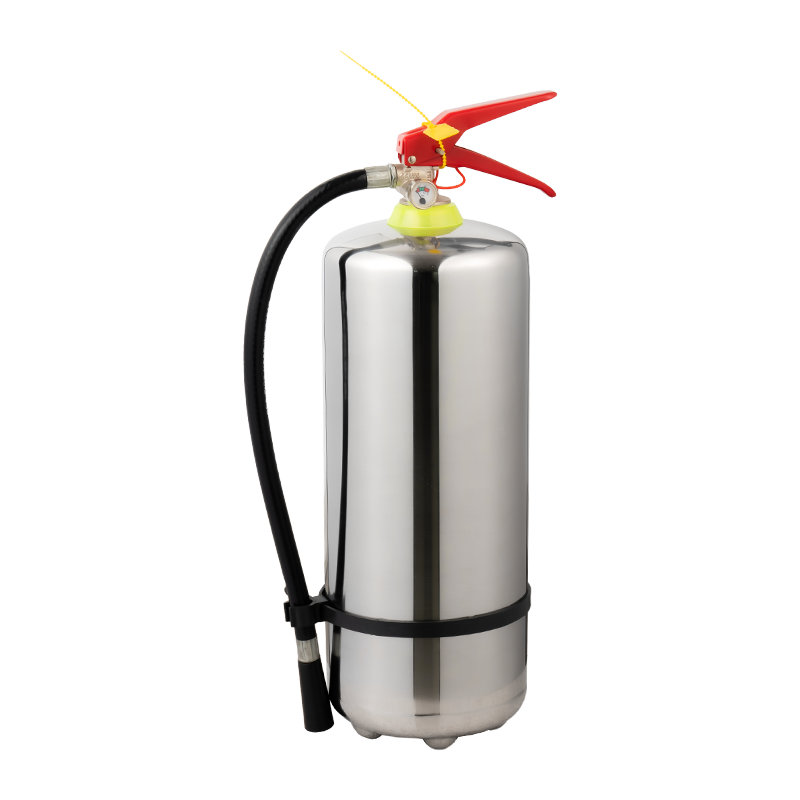
304 เครื่องดับเพลิงสแตนเลส 6L เป็นอุปกรณ์ดับเพลิงที่ออกแบบมาอย่างมืออาชีพซึ่งทำจากวัสดุสแตนเลส SUS304 คุณภาพสูงเพื่อให้แน่ใจว่ามีความต้านทานการกัดก...
ดูรายละเอียด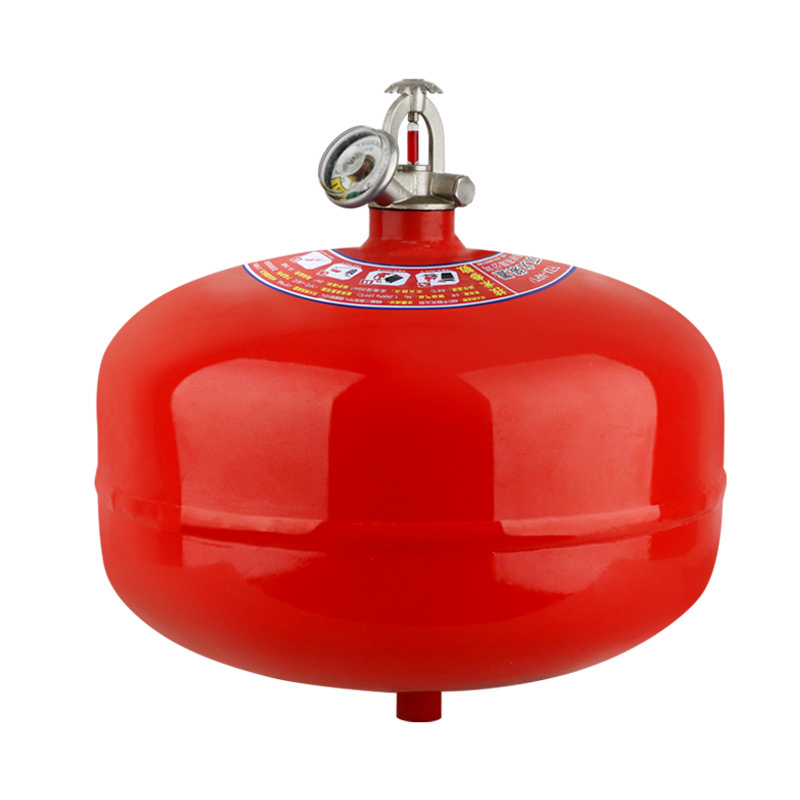
เครื่องดับเพลิงขนาด 8 กิโลกรัมสามารถติดตั้งบนผนังหรือเพดานแก้ไขด้วยตะขอหรือตัวยึดทำให้ง่ายต่อการเข้าถึงและทำงานได้อย่างรวดเร็วเมื่อจำเป็น วิธีการติ...
ดูรายละเอียด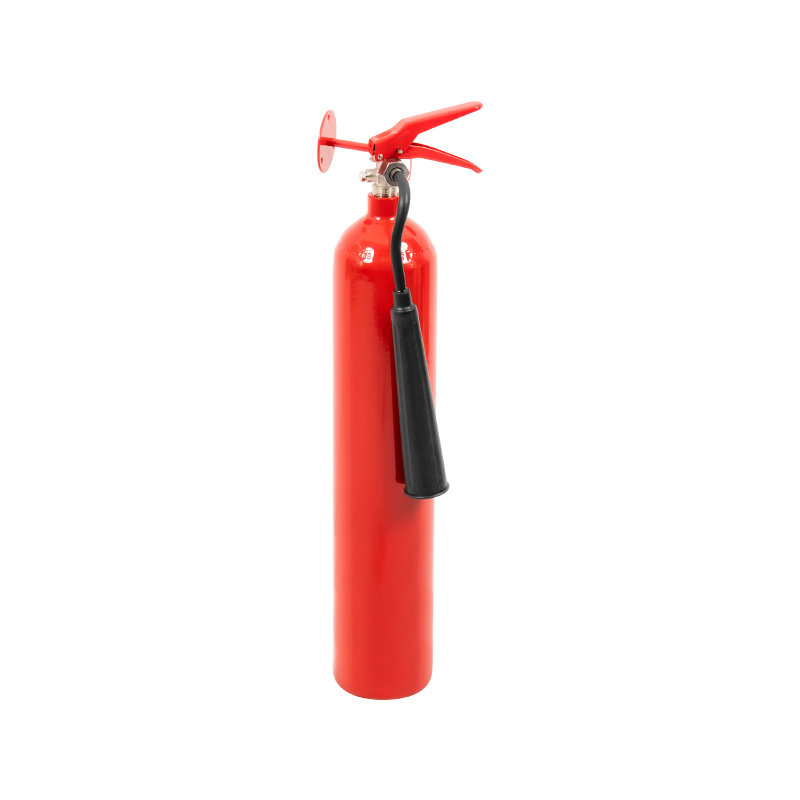
เครื่องดับเพลิงเหล็กแบบพกพา 3 กิโลกรัมเป็นอุปกรณ์ดับเพลิงที่ออกแบบมาเพื่อจัดการกับไฟทุกประเภท ทำจากเหล็ก CK45 มีความทนทานและทนทานและสามารถทนต่อความ...
ดูรายละเอียด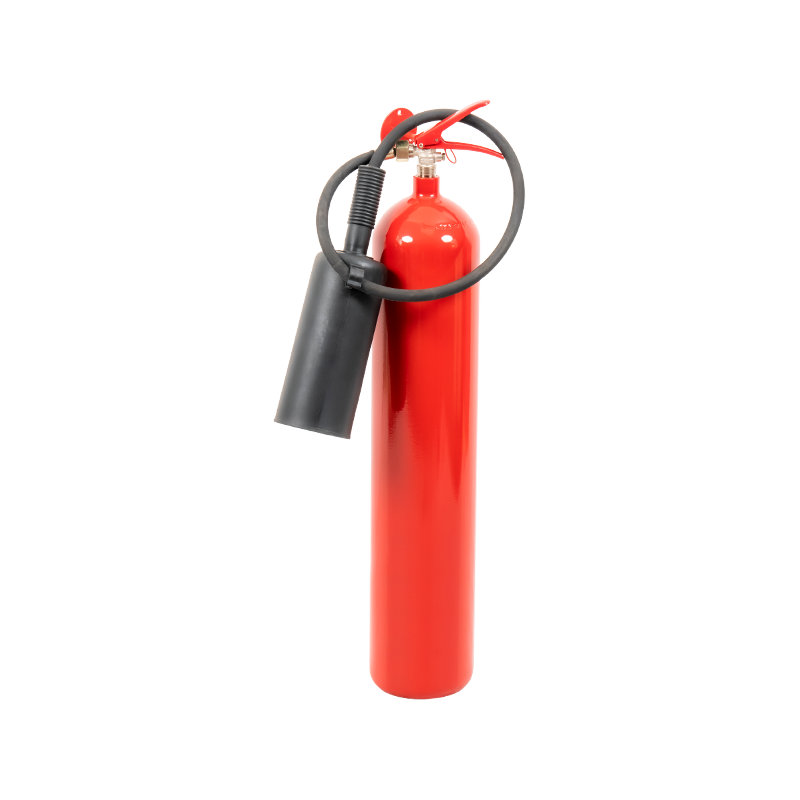
เครื่องดับเพลิงคาร์บอนไดออกไซด์ดับเพลิงขนาด 5 กิโลกรัมสามารถทำงานได้ในช่วงอุณหภูมิที่กว้างตั้งแต่-30˚Cถึง60˚Cเพื่อตอบสนองความต้องการในการดับเพลิงใน...
ดูรายละเอียด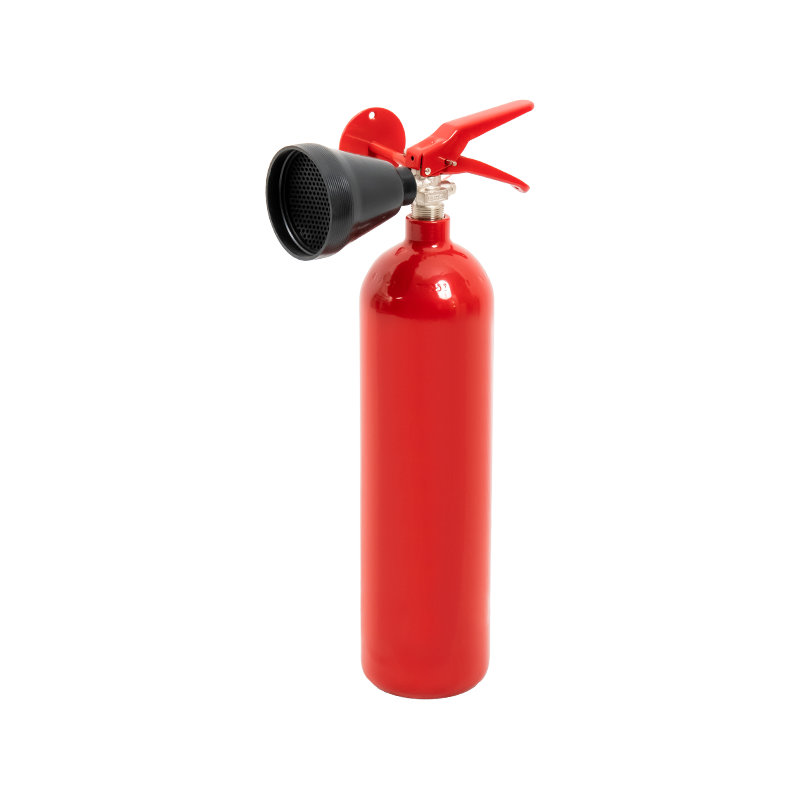
เครื่องดับเพลิง CE แบบพกพา 2 กิโลกรัมเป็นอุปกรณ์ดับเพลิงที่ออกแบบมาเพื่อตอบสนองอย่างรวดเร็วและดับไฟขนาดเล็ก มันทำจากเหล็ก CK45 ที่มีความแข็งแรงสูงแ...
ดูรายละเอียด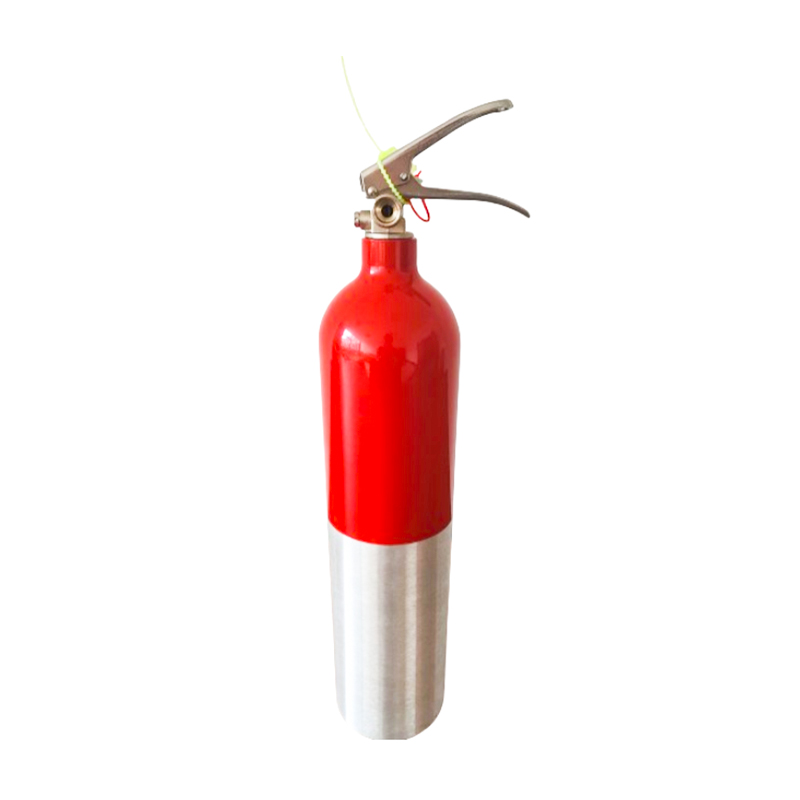
เครื่องดับเพลิงอลูมิเนียมแบบพกพาขนาด 5 กิโลกรัมเป็นอุปกรณ์ดับเพลิงที่มีประสิทธิภาพและเชื่อถือได้ซึ่งเหมาะสำหรับความต้องการป้องกันอัคคีภัยในสถานที่อ...
ดูรายละเอียด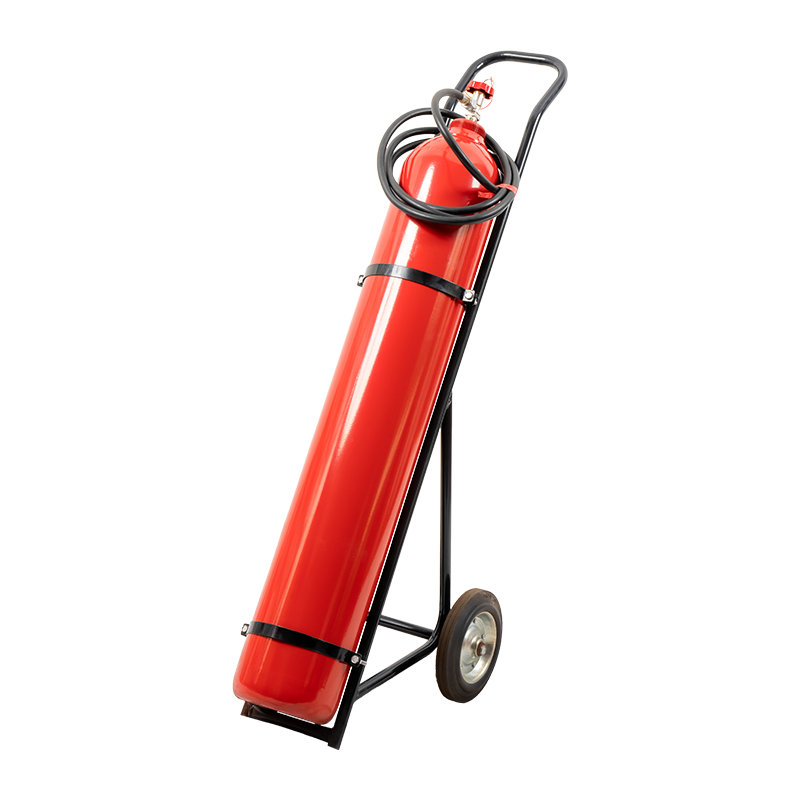
เครื่องดับเพลิง CO2 ที่ติดตั้งเกวียน 10 กก. เป็นเครื่องมือดับเพลิงแบบพกพาซึ่งประกอบด้วยกระบอกเหล็กขนาดใหญ่ที่มีความจุ CO2 10 กิโลกรัมติดตั้งบนรถเข็...
ดูรายละเอียด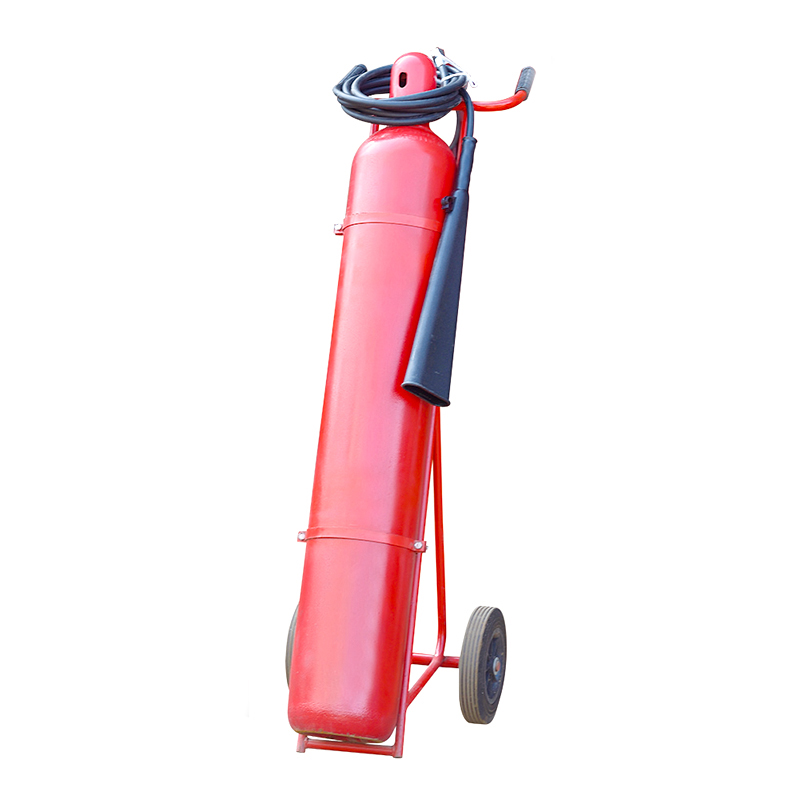
เครื่องดับเพลิงมือถือรถเข็นขนาด 25 กิโลกรัมเป็นอุปกรณ์ดับเพลิงที่มีความจุสูงที่ออกแบบมาสำหรับไฟขนาดใหญ่ มันมีความแข็งแรงเชิงกลและความต้านทานการกัดก...
ดูรายละเอียด
Zhejiang Yongshang Pressure Vessel Co., Ltd. ก่อตั้งขึ้นในปี 2559 เป็นองค์กรที่ทันสมัยซึ่งบูรณาการการวิจัยและพัฒนาการผลิตและการขายมีความเชี่ยวชาญในการผลิตผงแห้งเกวียนเครื่องดับเพลิงคาร์บอนไดออกไซด์กระบอกสูบเหล็กที่ไร้รอยต่อและขวดอลูมิเนียม

+86 13857576559


หมู่บ้าน Zhuhai, เมือง Gaibei, Shangyu District, Shaoxing City, มณฑลเจ้อเจียง, จีน
ลิขสิทธิ์© Zhejiang Yongshang Pressure Vessel Co., Ltd.
